
Carrollton Garage Door Guide
Why So Many Carrollton Garages Still Run Uninsulated Doors
Most Carrollton-area garages went up between 1967 and 2003, median 1980, before insulation became standard. Here's what that means for your door in a cold-moderate climate.
- Licensed & Insured
- Same-Area Service Calls
- Upfront Pricing
The Common Mistake
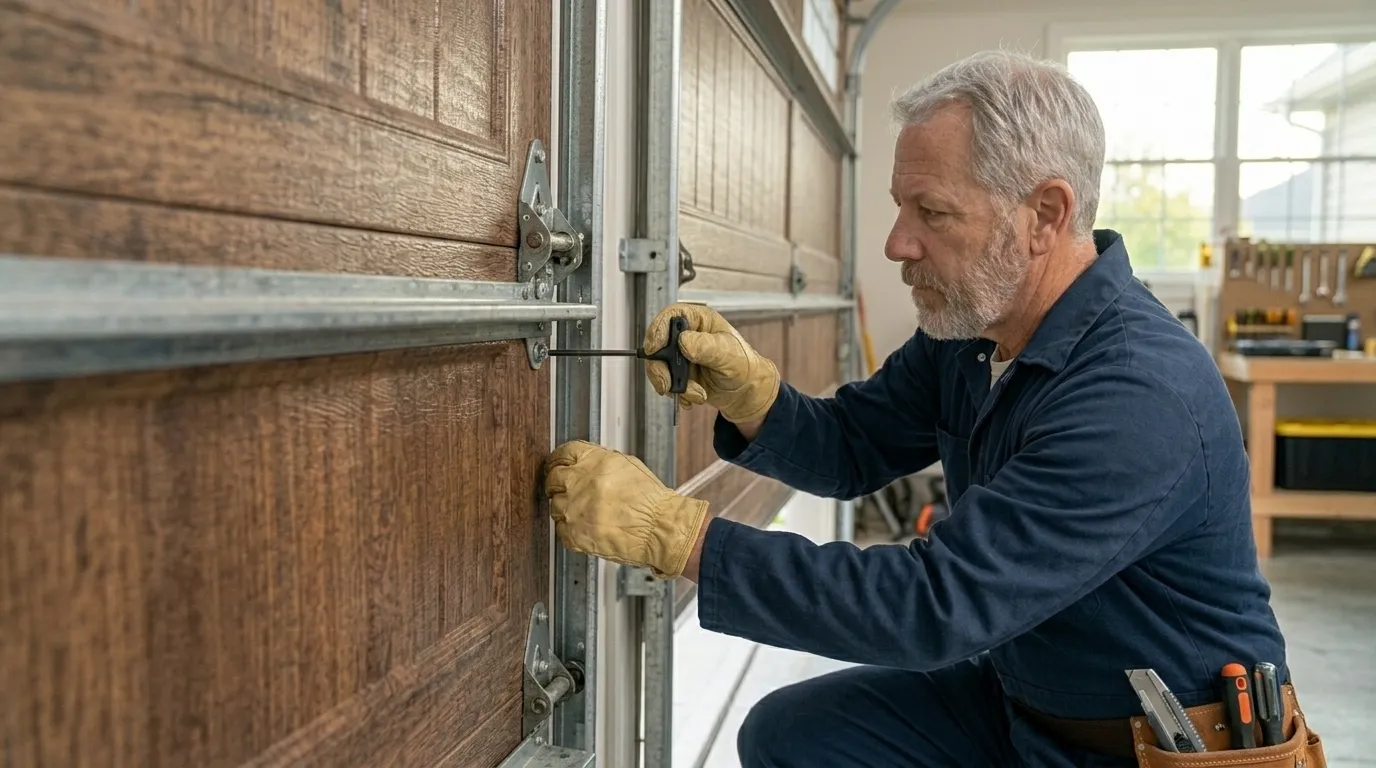
The mistake we see most is a homeowner replacing a spring or a roller and assuming the door itself is fine, without ever asking what decade it came from. In the Carrollton service area, most houses went up between 1967 and 2003, with the median landing around 1980. A door installed with a house from that era was built to a spec sheet that didn't require an insulation layer at all - it's a single skin of steel or a hollow-core panel, nothing behind it.
That's not a defect. It's just what a 1980 garage door was. The mistake is treating it like a modern door with a worn part, when really it's an old door doing the only job it was ever built for, and doing it worse every winter.
Swapping a spring on a 40-year-old uninsulated slab buys you a few more years of a door that was never sealing the space to begin with. It's not wrong to fix what's broken. It's wrong to stop there and assume the door is otherwise sound just because it still opens and closes.
What Local Conditions Do
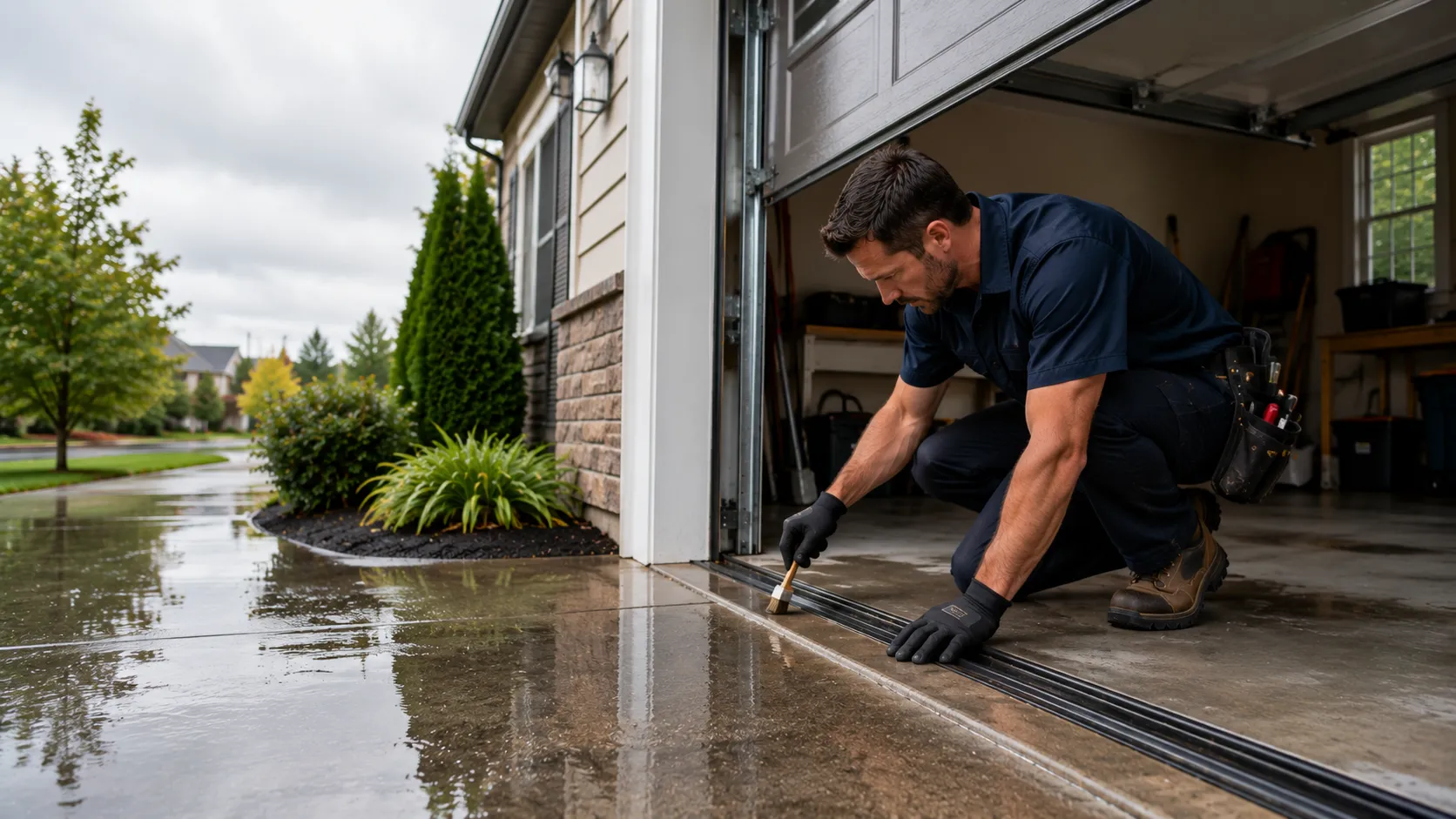
This area sits in a cold-moderate climate band, which means the garage isn't facing the deep-freeze swings of the upper Midwest, but it's also not the mild coastal band where an uninsulated door barely matters. Cold-moderate is the range where a single layer of steel actually costs you something - heat loss through the garage, a slab floor that stays cold longer, pipes or a water heater in the garage that work harder than they should. Across the eleven communities around Carrollton - Mount Zion, Roopville, Bremen, Bowdon, Waco, Temple, Whitesburg, Villa Rica, Ephesus, Tallapoosa, and Buchanan - the housing stock skews the same way: heavy in the 1980s and 90s.
That's not a coincidence tied to one neighborhood; it's the age of the building boom that shaped this whole area. A door built to match that stock is going to show the same weak points whether the house sits closer to Bremen or closer to Waco. The conditions aren't dramatic.
They're steady, and steady cold works on an uninsulated door for a long time before anyone notices the bill.
The Problem
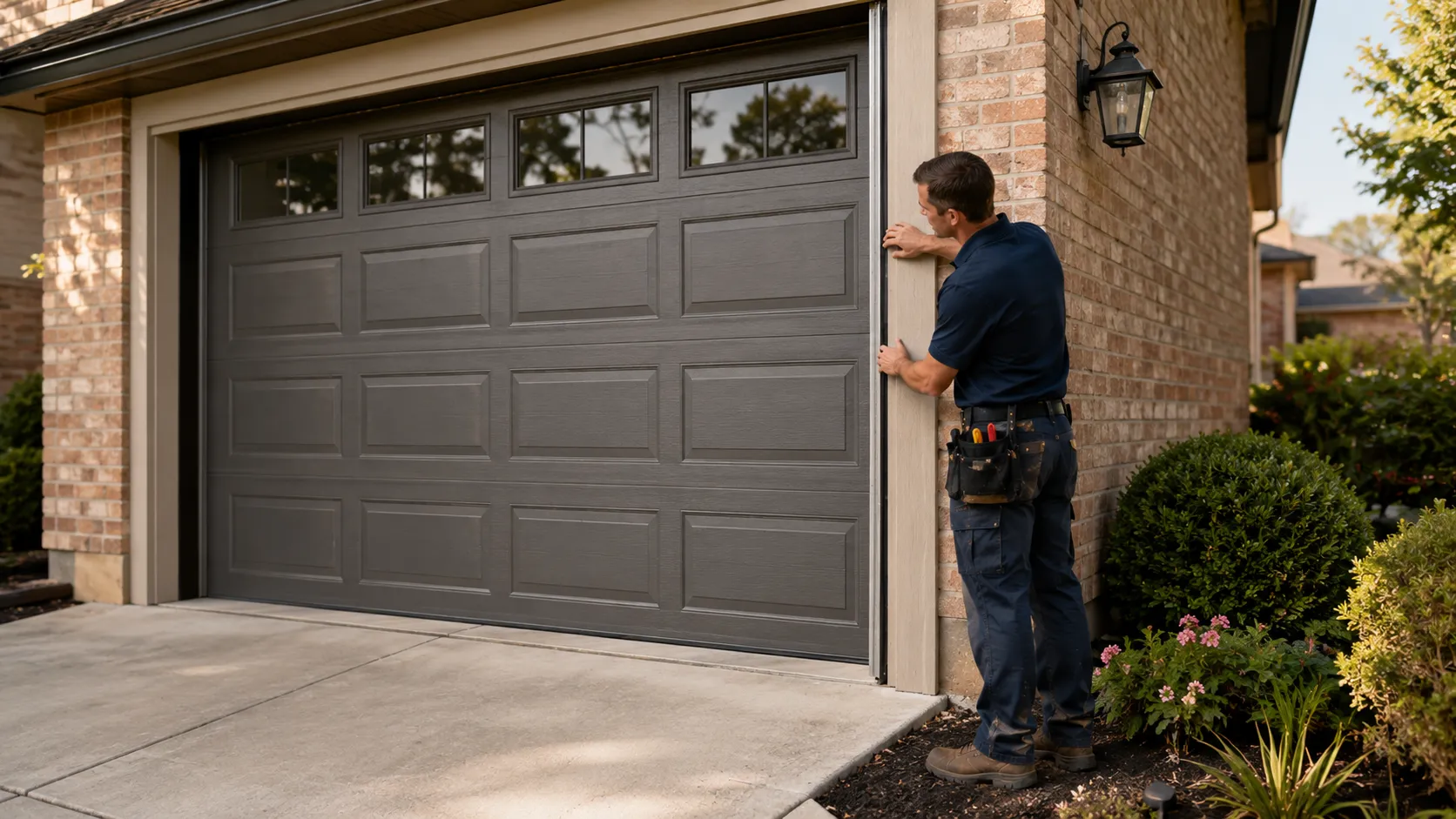
With 8,079 owner-occupied houses across this area, a large share of garages are running the same door your neighbor has - a 1980-era, non-insulated panel on original or near-original hardware. The problem isn't that these doors fail outright. Steel holds up.
The problem is what happens around the door: gaps at the bottom seal that were never designed to stop drafts the way today's astragal strips do, panels that flex and let cold air move through the seams, and hardware sized for a lighter, thinner door than what a lot of owners bolt on later when they finally do replace it. We also see doors that were replaced once already, sometime in the 90s or 2000s, with a like-for-like non-insulated model because it was the cheaper option at the time - so the age of the house doesn't always match the age of the door, and that mismatch is easy to miss from the driveway. Either way, the result is a garage that runs colder than the rest of the house, and a door that's working harder than it needs to.
What to Check
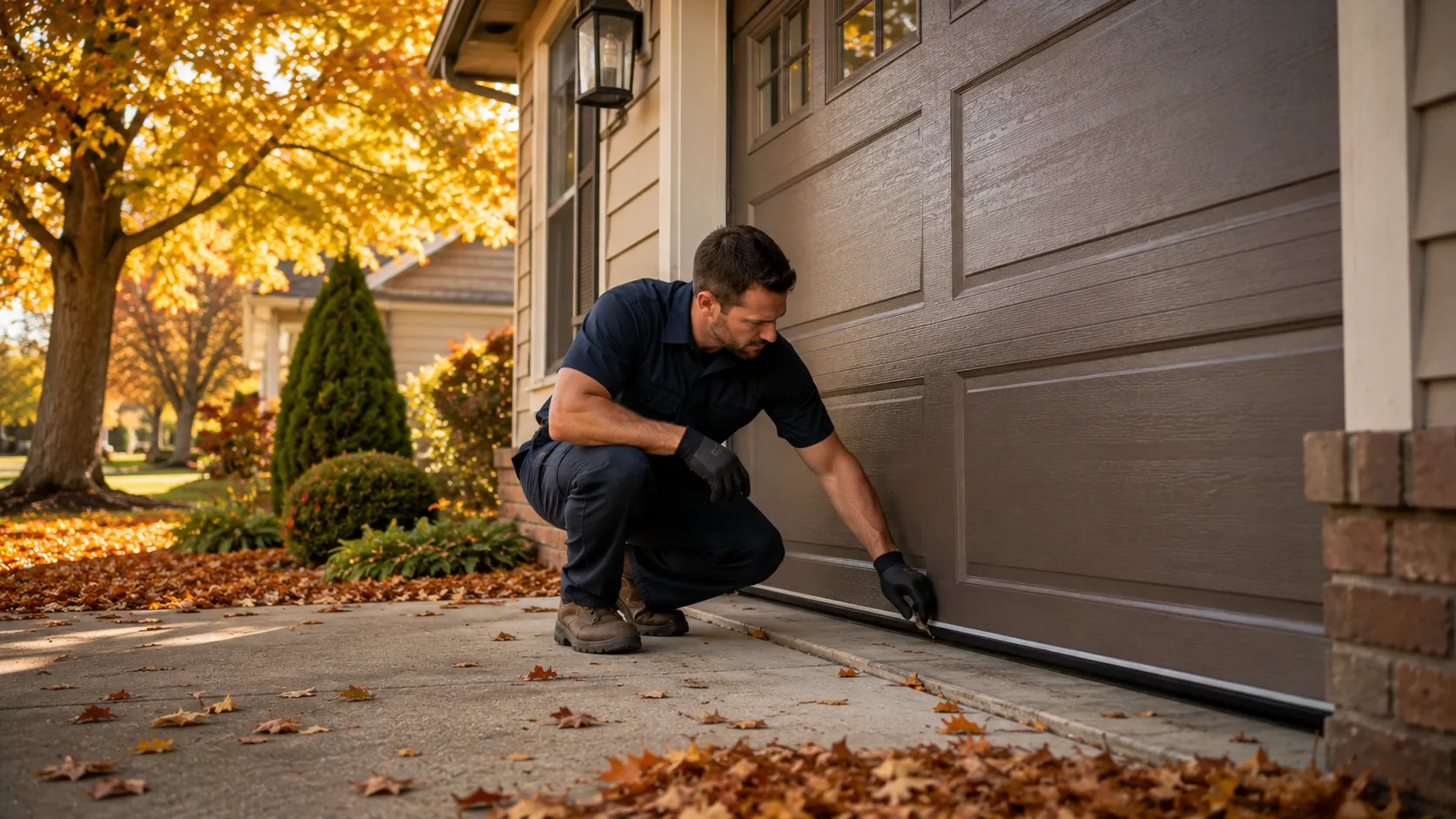
Start by looking at the door's core, not just its face. If you can see the inner surface from inside the garage and it's a flat steel or wood panel with nothing sandwiched behind it, that's a pre-insulation door regardless of what year it was actually hung. Check the bottom seal next - original 1980s vinyl gets brittle and cracks, and once it does, that gap runs the full width of the door.
Push on a panel section between the ribs; a lot of give tells you the steel gauge is thin, which was normal then and isn't a flaw, just a fact about the door's age. If you're in one of the older pockets of this area rather than a newer build, check the track and hinges too - original hardware on a 40-year-old door is often undersized for anything heavier you might want to hang later. One honest limit here: we can tell you what a door's age and build suggest, but the only way to know its actual condition is to look at it in person, since two doors from the same year can be in very different shape depending on how they were maintained.
How We Can Help
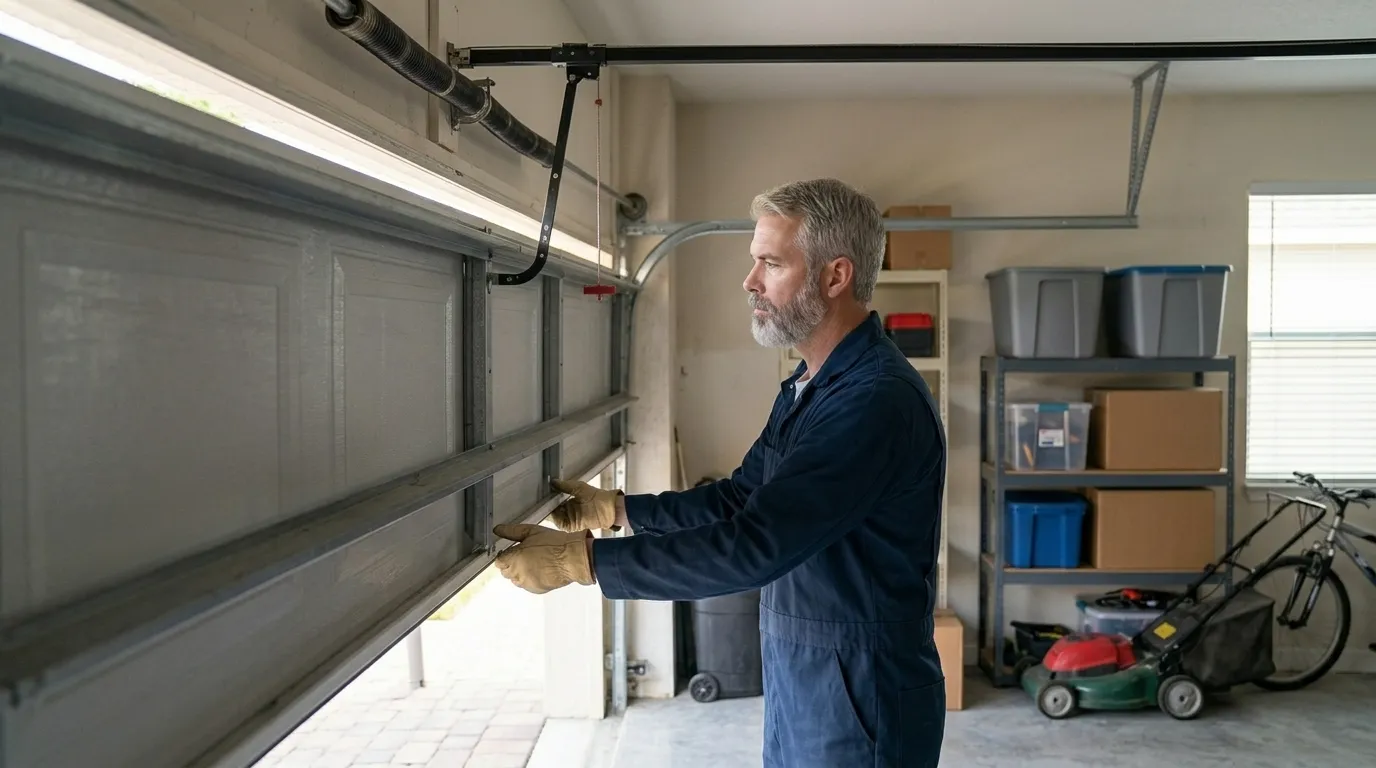
Garage Door Panel Replacement
Dented or cracked panels swapped without replacing the whole door where the frame is sound.
Learn more →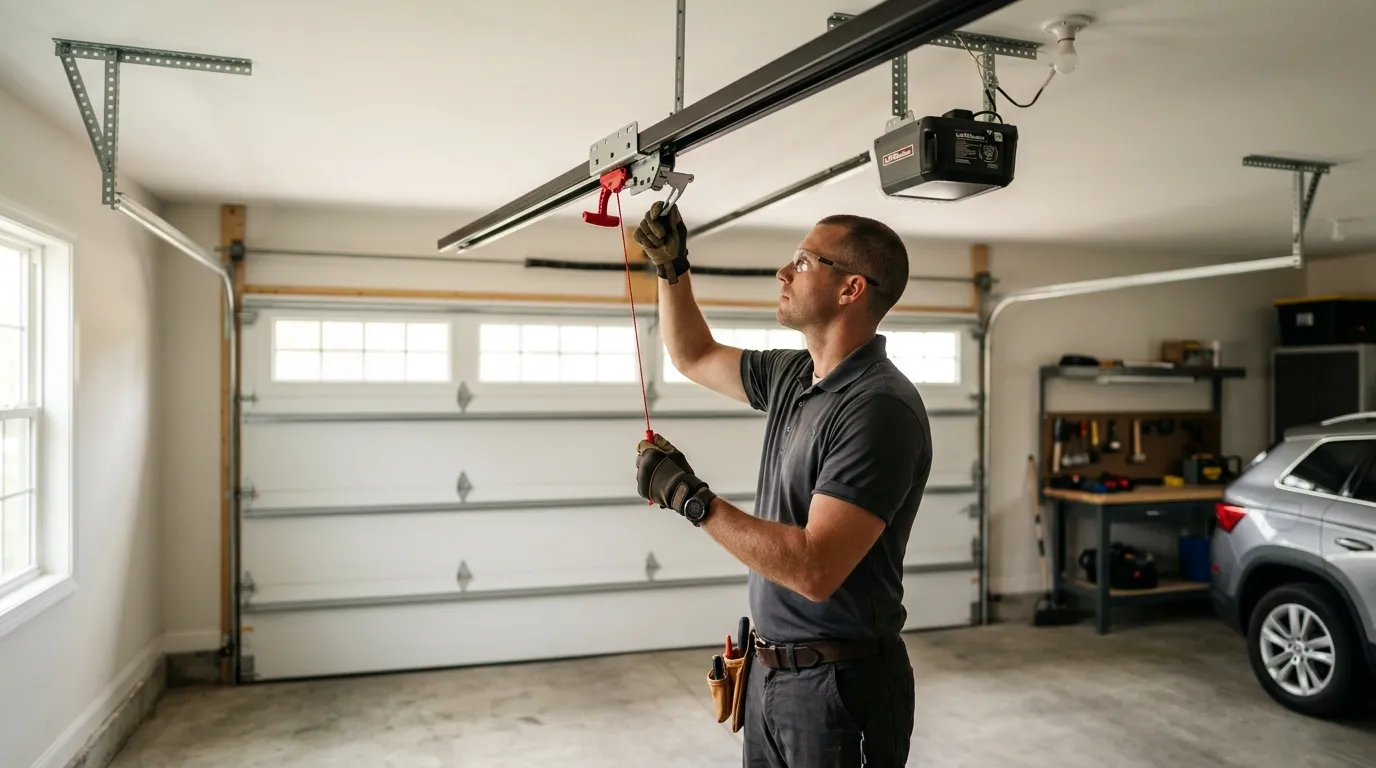
Emergency Garage Door Repair
Emergency Garage Door Repair handled by trained, insured local technicians with upfront pricing.
Learn more →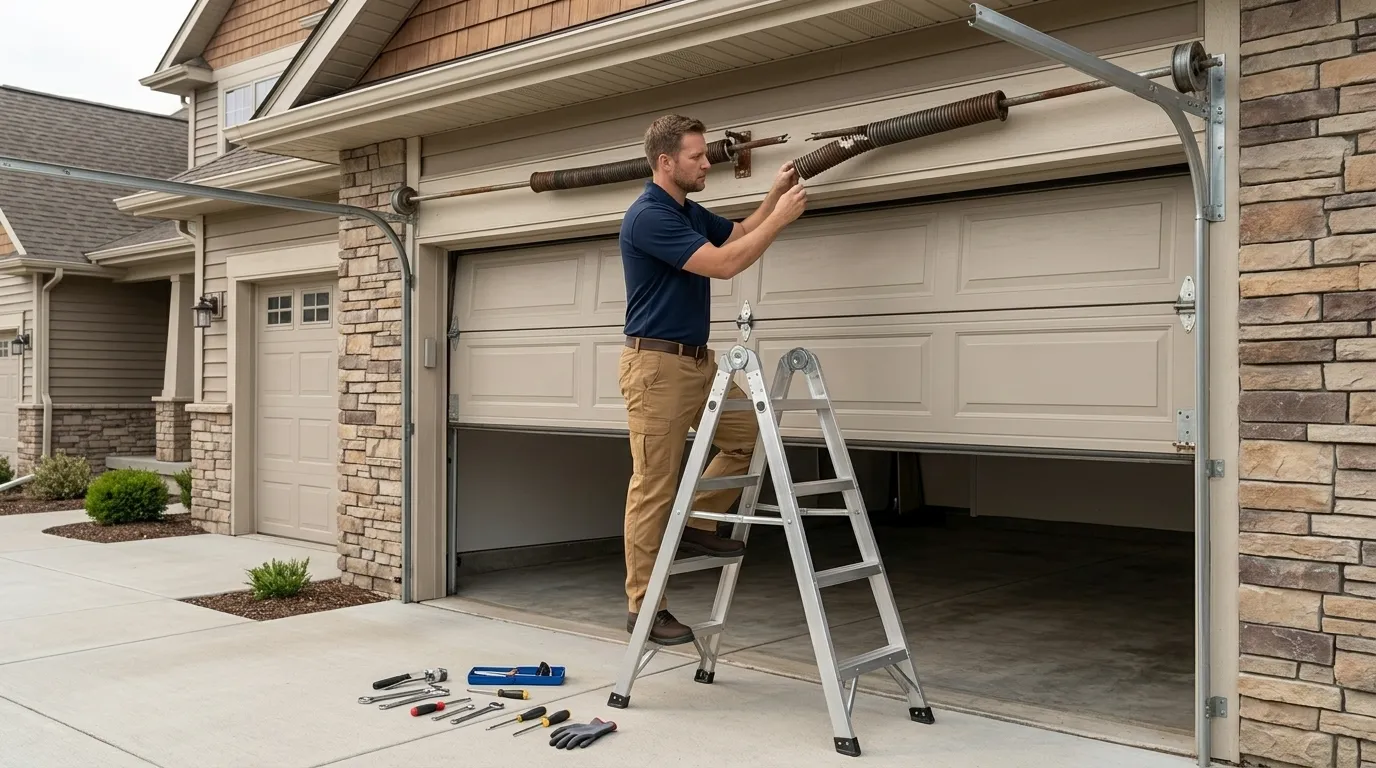
Garage Door Installation
New sectional doors sized and installed for the housing stock actually built in this area.
Learn more →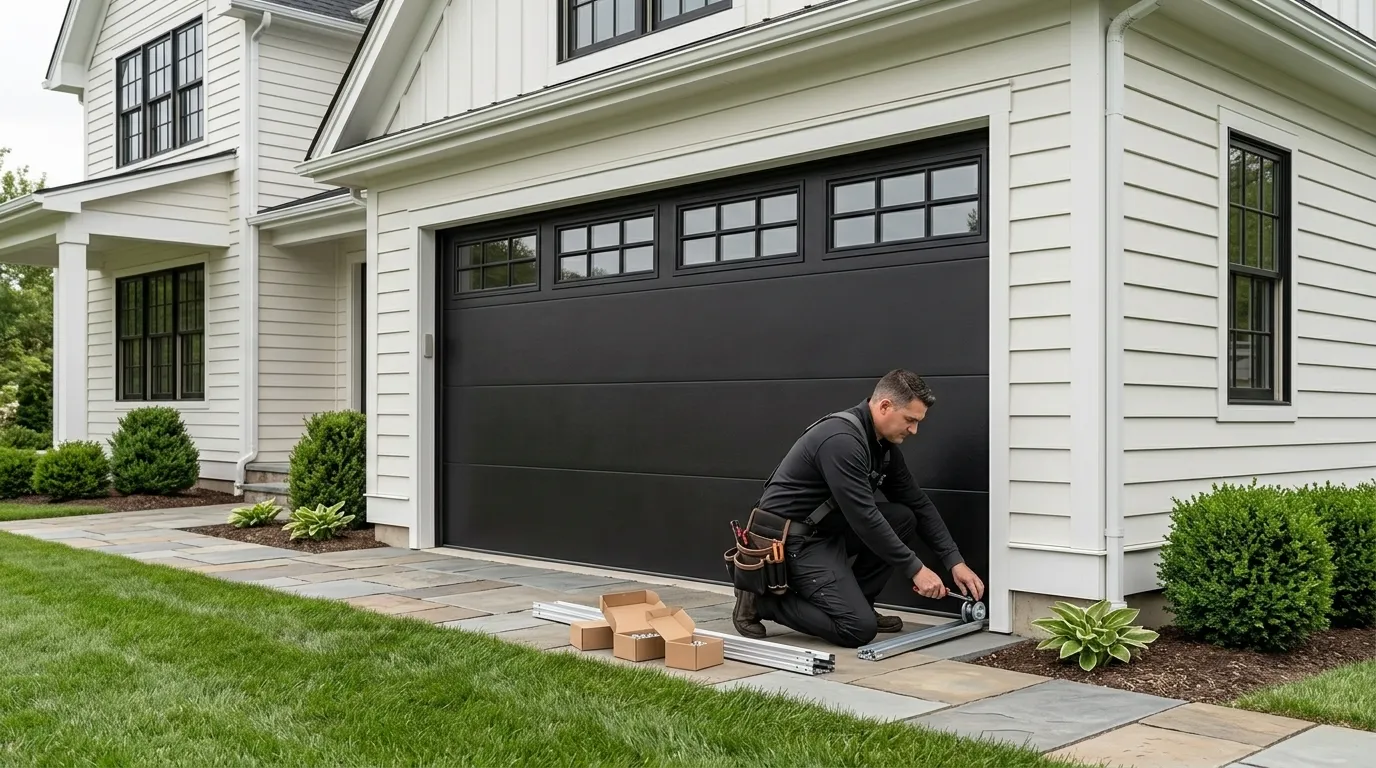
Garage Door Roller Replacement
Worn, noisy rollers swapped for smooth nylon ones so the door runs quiet.
Learn more →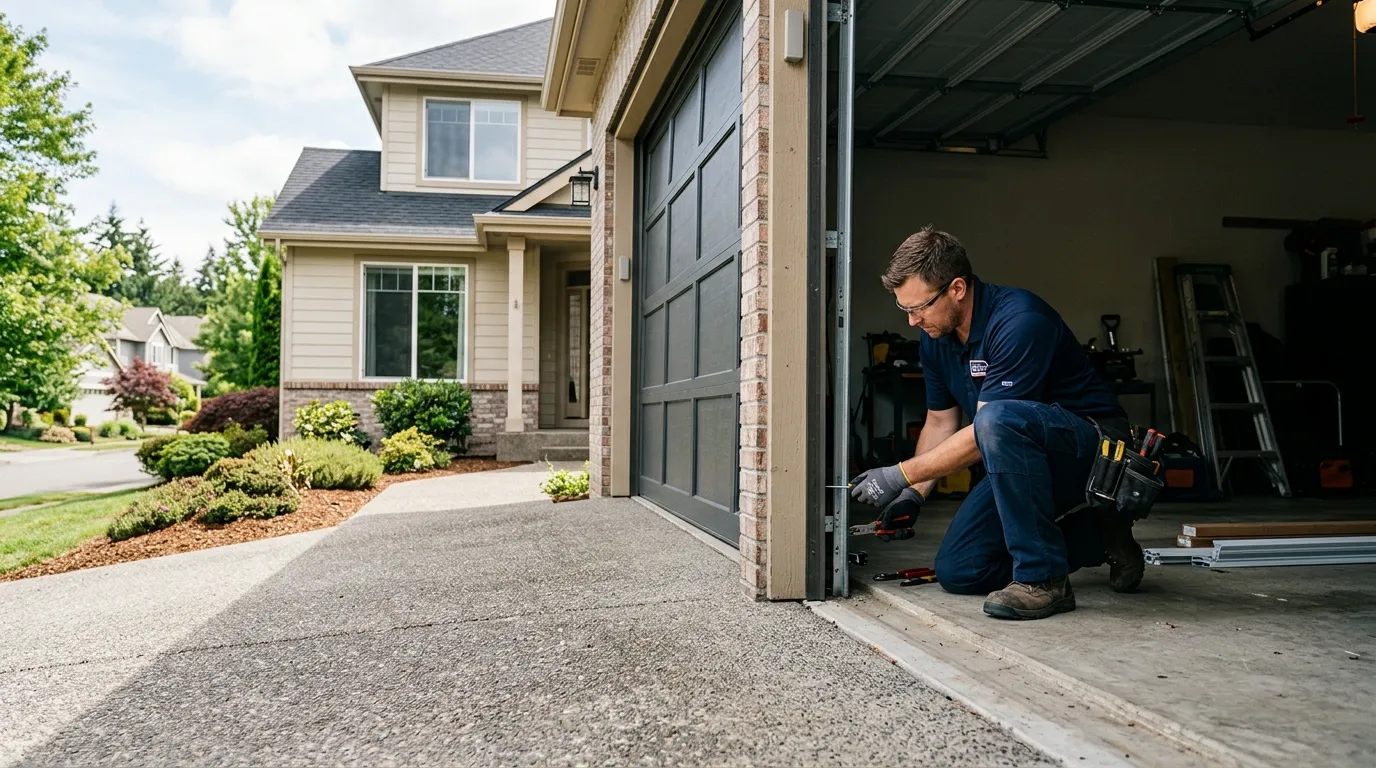
Garage Door Repair
Springs, cables, tracks, rollers, and openers fixed by a tech who explains the problem before touching anything.
Learn more →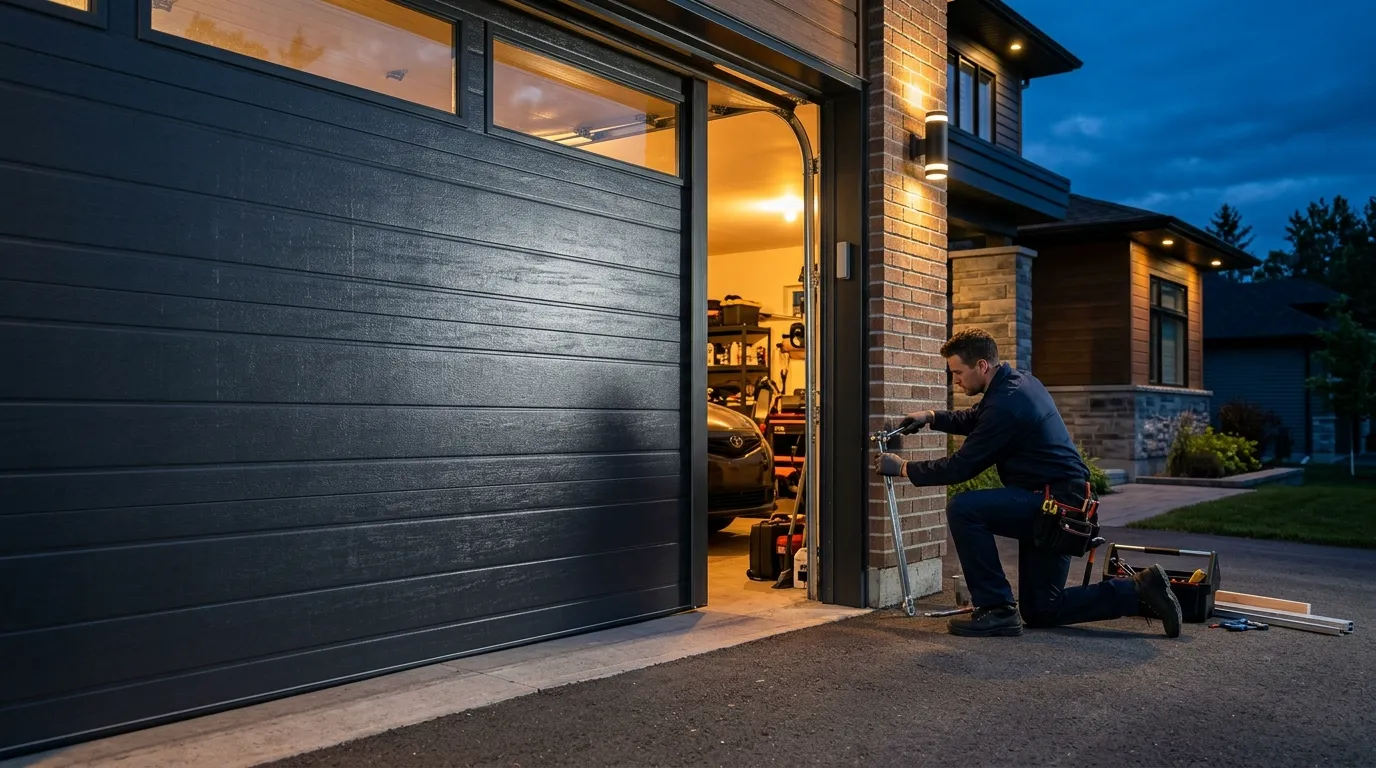
Garage Door Service
Tune-ups, lubrication, and safety checks that catch a small problem before it becomes a service call.
Learn more →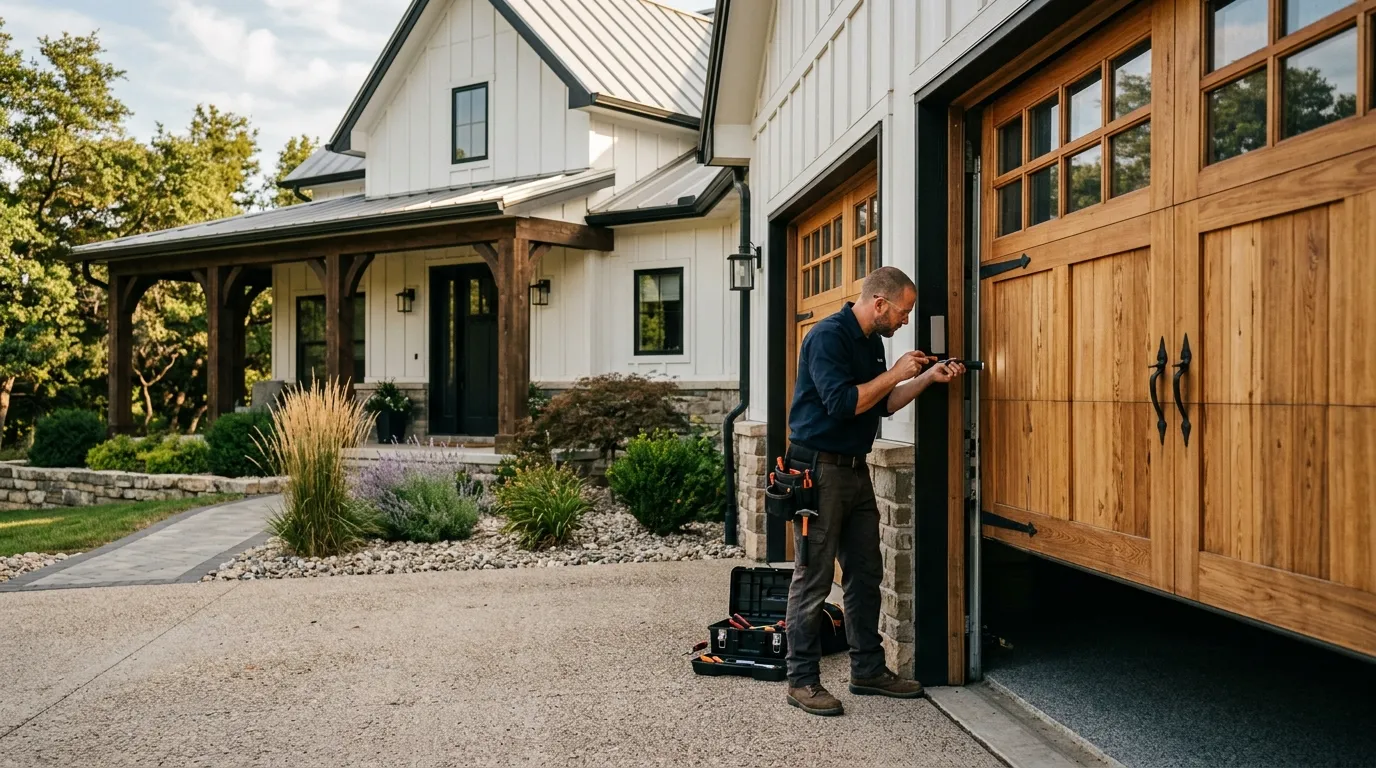
Garage Door Opener Repair
Openers that hum, stall, or reverse - diagnosed and fixed, from worn gears to logic boards.
Learn more →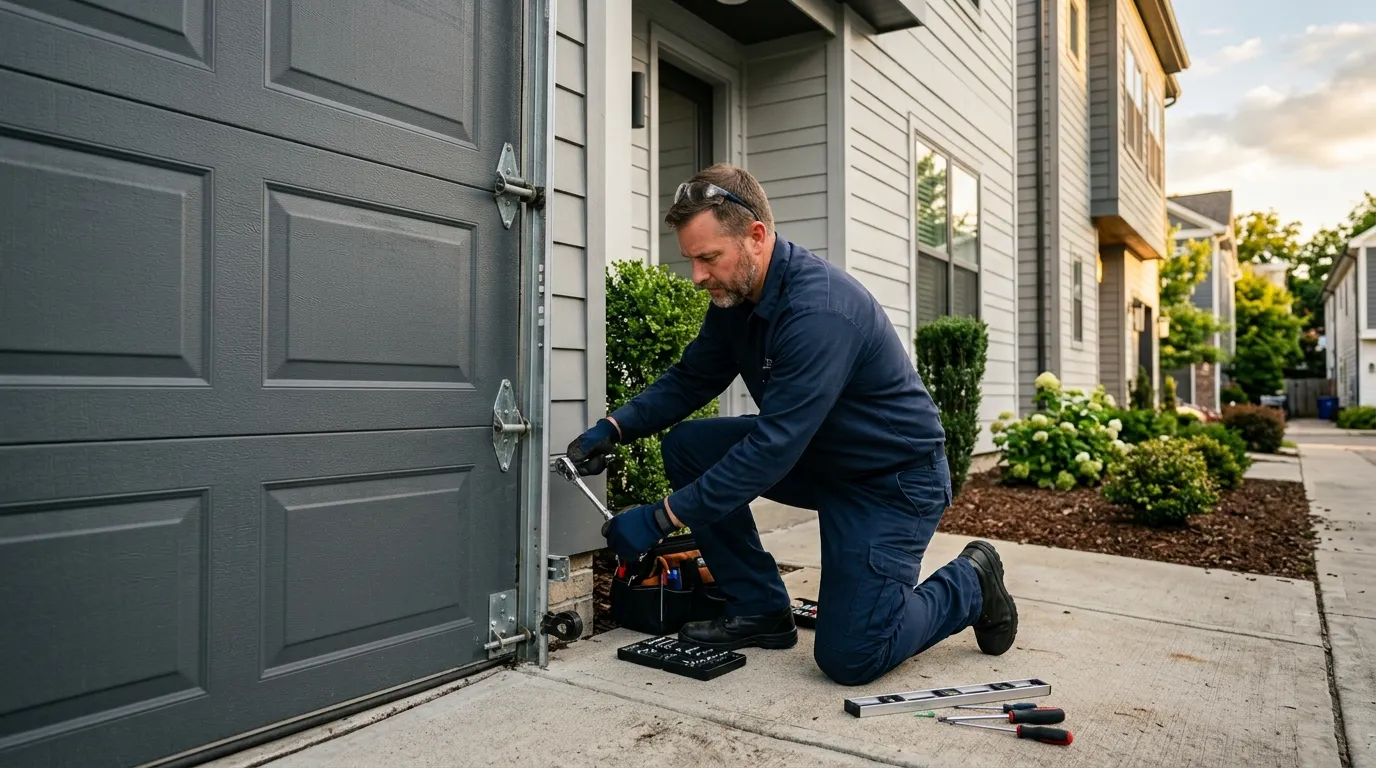
Garage Door Spring Repair
Broken torsion and extension springs replaced and the door rebalanced in the same visit.
Learn more →Frequently Asked Questions
How do I know if my garage door has insulation or not?
Look at the inside face of the door. An insulated door has a second layer - usually a white or gray polystyrene or polyurethane panel - fastened behind the steel. If you're looking straight at bare steel ribs or a hollow-back panel with nothing behind it, it's uninsulated. Given that most houses in this area date to the 1967-2003 range, an uninsulated door on an original build is common, not unusual.
Is it worth insulating an old door instead of replacing it?
Retrofit insulation kits exist, but they're a partial fix - they don't address a worn seal, thin steel, or undersized hardware. On a door already near the end of its run, most of the cost goes into a replacement anyway, so it often makes more sense to put the money into a new insulated door once, rather than twice.
Does the cold-moderate climate here actually matter for garage doors?
It matters more than people expect. It's not extreme cold, so doors don't crack or fail outright the way they might further north, but sustained moderate cold works steadily on an uninsulated door's seals and steel over years. The effect shows up as a colder garage and higher heating load, not sudden failure.
Have a Door That Needs a Second Opinion?
Call and describe what it is doing - we will tell you what it likely is.