
Service
Garage Door Repair in Carrollton, GA
Most homes around Carrollton went up between 1967 and 2003. That housing stock, paired with cold winters, wears out springs and openers in predictable ways.
- Licensed & Insured
- Same-Area Service Calls
- Upfront Pricing
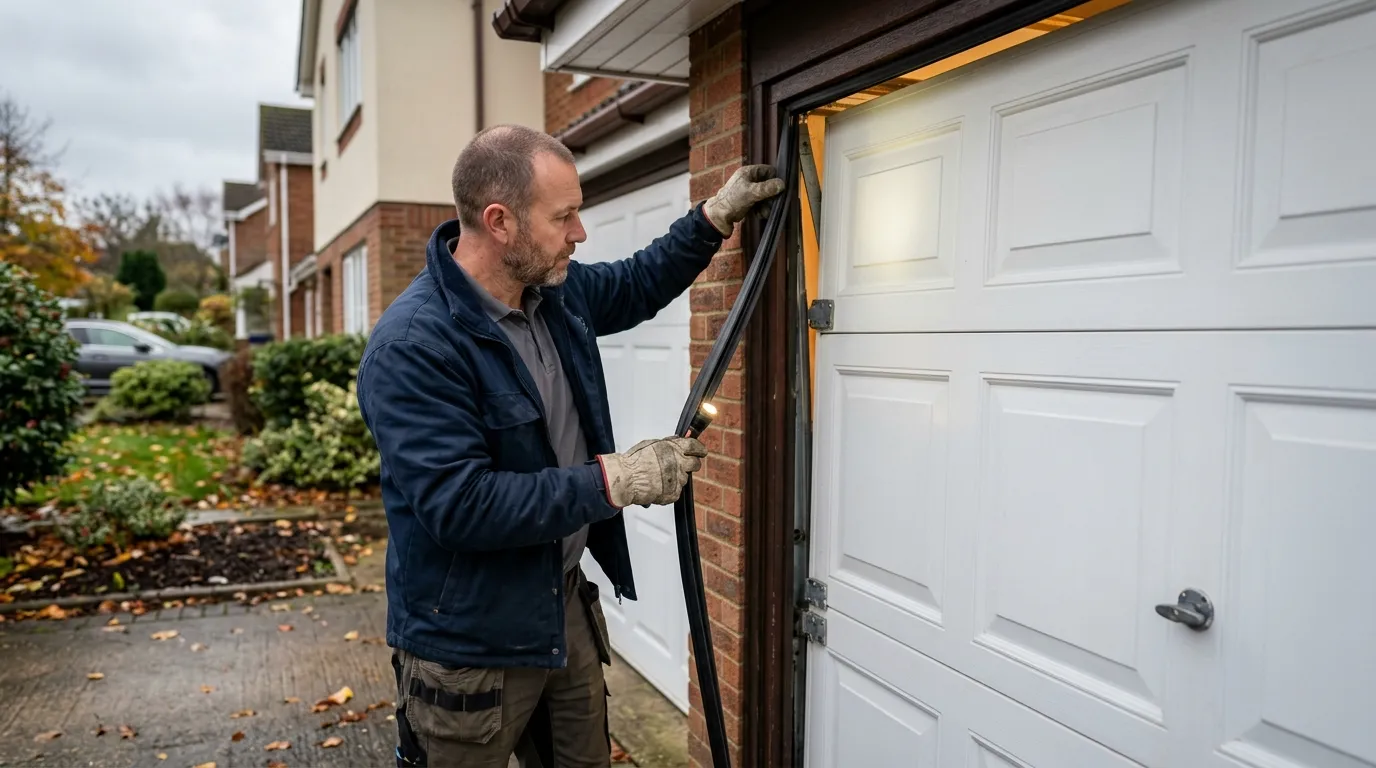
What Happens When You Call
-
1
Call or Request a Quote
Tell us what the door is doing and roughly how old the house is - that alone points us toward the likely part before a truck leaves.
-
2
On-Site Diagnosis
A tech checks the spring, cables, tracks, and opener in person and tells you plainly what is actually wrong.
-
3
Straight Price, No Surprises
You get a number before any work starts. It covers parts and labor, nothing added after the fact.
-
4
Fixed the Same Visit
Most repairs are done in one trip. If a part needs sourcing, we tell you that upfront instead of guessing.
Why It Happens Here
Housing across this service area was mostly built between 1967 and 2003, with the median landing around 1980, and that pattern repeats across all 11 named communities we cover, from Mount Zion out to Tallapoosa and Buchanan. A door installed when a house was new in 1985 is now on its second or third opener at best, and often still running the original torsion spring.
That matters because this area sits in a cold-moderate climate band. Steel springs don't like temperature swings - they contract in a hard freeze and expand again a few days later when it warms up, and that cycling fatigues the metal faster than a mild, steady climate would. A spring rated for around 10,000 cycles doesn't care what year it is, but a house built in 1980 has had 45 years of those freeze-thaw cycles to work through, and a lot of springs out there are simply due.
With 8,079 owner-occupied houses among 14,567 households in the area, this isn't a rare situation - it's the normal state of the housing stock. The door hardware, the extension or torsion setup, and the opener gear are all aging together, which is why the same handful of failures shows up over and over on service calls out here.
How It Shows Up
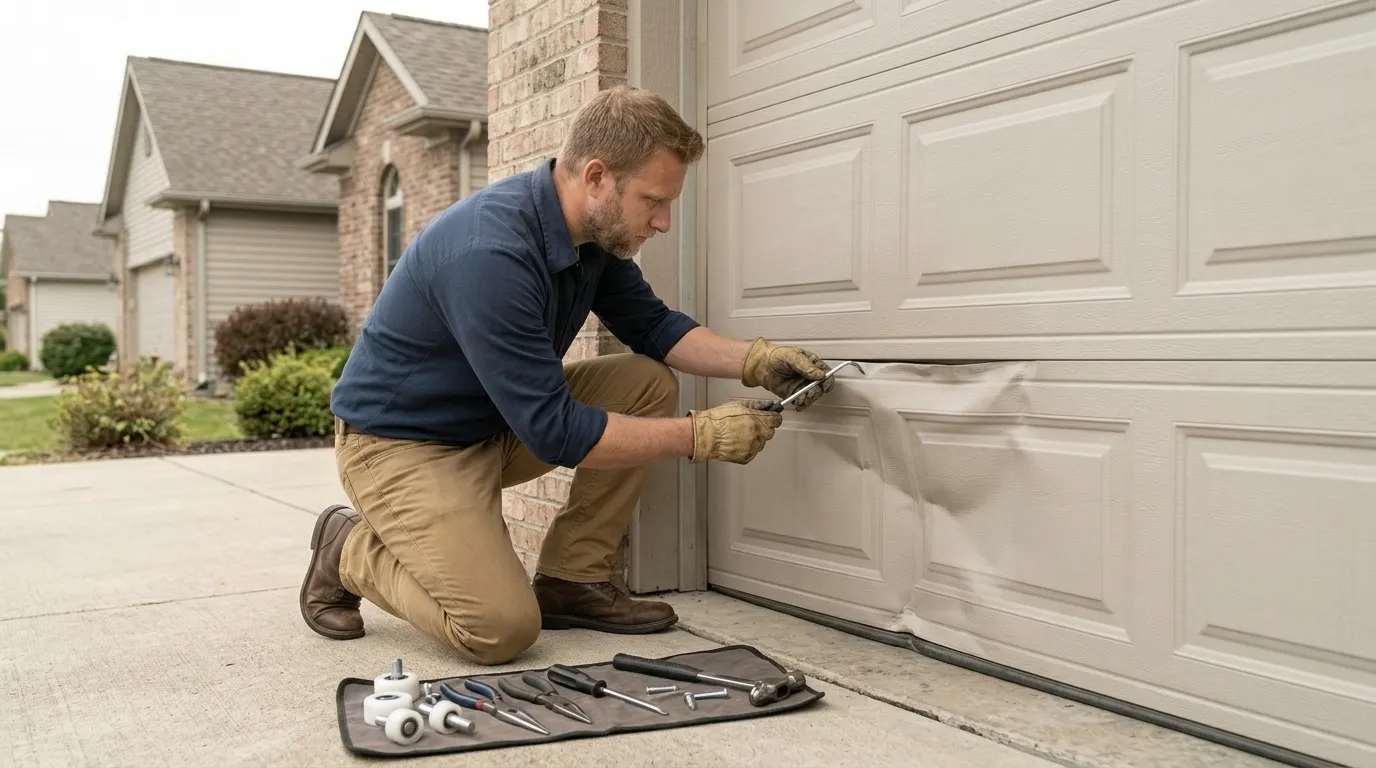
The most common call is a door that won't open at all, or one that opens a few inches and stops - that's almost always a broken torsion spring, and on a house from the 1980s or 90s it's often the original spring finally giving out after decades of temperature cycling. You'll usually hear it before you see it: a loud bang from the garage, sometimes mistaken for something falling.
A second pattern is a door that reverses on its own or won't close all the way. On older openers from this same building era, that's frequently a worn sensor bracket or a track that's shifted slightly out of alignment - small movements that add up over 30-plus years of a house settling.
Third is noise: grinding, popping, or a door that shudders on the way down. Rollers and hinges rated for a certain lifespan don't hold up any better here than the springs do, and on original hardware they're usually the next thing to go once the spring is replaced.
None of these are exotic. They're what you'd expect from a housing stock this age carrying original or early-replacement hardware through cold winters year after year.
Can You Do This Yourself
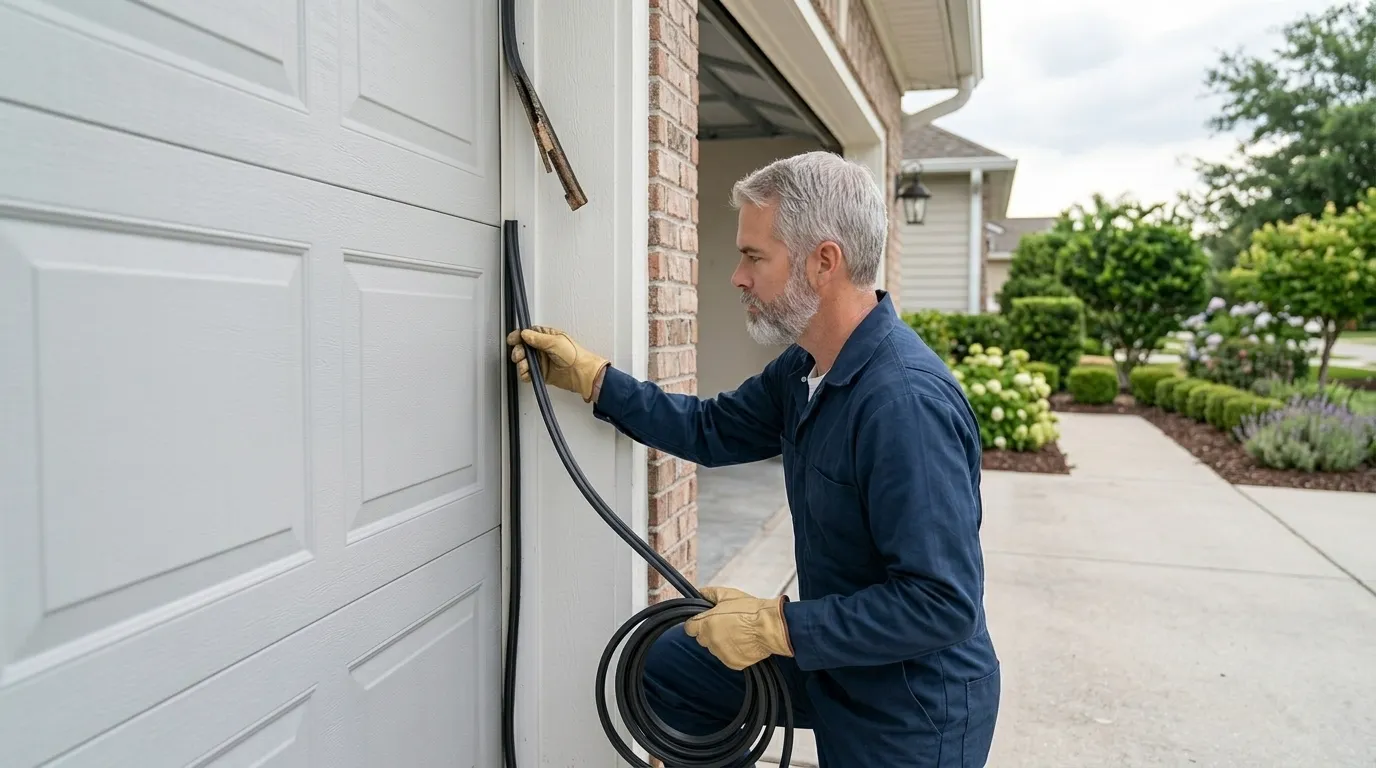
Some of this is reasonable to handle on your own. Tightening loose hardware, cleaning and lubricating rollers and hinges, checking that the photo-eye sensors are aligned and free of dust - none of that requires a truck to show up.
A broken torsion spring is a different matter. The spring is under enough stored tension to cause serious injury if it's released wrong, and setting the correct tension on a replacement takes the right bar and the right method, not a guess. We don't recommend DIY spring work, full stop - that's the honest limit here, not a sales pitch.
Track alignment is also worth leaving alone if the door is coming off track or binding. A door that looks like it just needs a nudge back into the channel can be hiding a bent track or a bowed section, and forcing it can bend things further or drop the door on someone standing under it.
If the door moves smoothly by hand with the opener disconnected but won't run right on the opener, that's a fair sign the problem is electrical or in the opener itself, and that's a call worth making rather than troubleshooting through trial and error.
Where This Job Goes Sideways
The most common mistake we see is someone replacing an opener when the actual problem was a spring too weak to lift the door - the motor was straining against dead weight it was never built to carry, and a new opener under the same load fails again within months.
On houses from this area's 1980s-to-90s building wave, another sideways turn is mismatched parts. A spring or cable bought off the shelf without matching it to the door's weight and the drum size on the original torsion hardware can leave the door imbalanced - it'll run, but unevenly, and it'll wear the opener gear faster.
We'll also say plainly: not every old door is worth repairing indefinitely. If the panels are rusted through or the track is bent in more than one place, a repair can turn into throwing parts at a door that needs replacing instead. We'd rather tell you that up front than keep billing for patches.
Whether you're closer to Bremen, Waco, or Temple, the same 1980s-era torsion hardware shows up on doors throughout this service area, and the fix that works on one side of the county usually works on the other - the housing stock is that consistent.
Talk to a Technician Before You Book
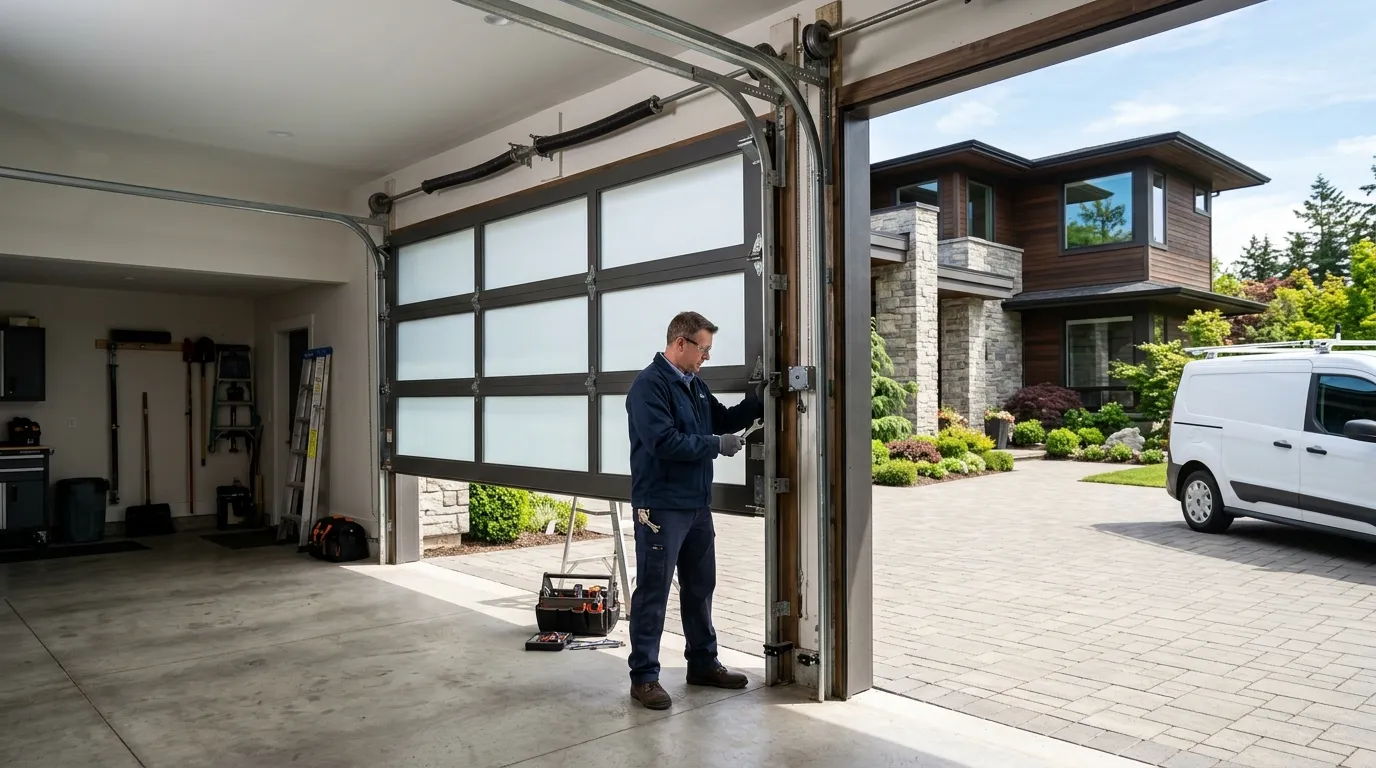
Describe what the door is doing and get a straight answer on what it likely needs.
Jobs Like Yours
Recent work from this service line.
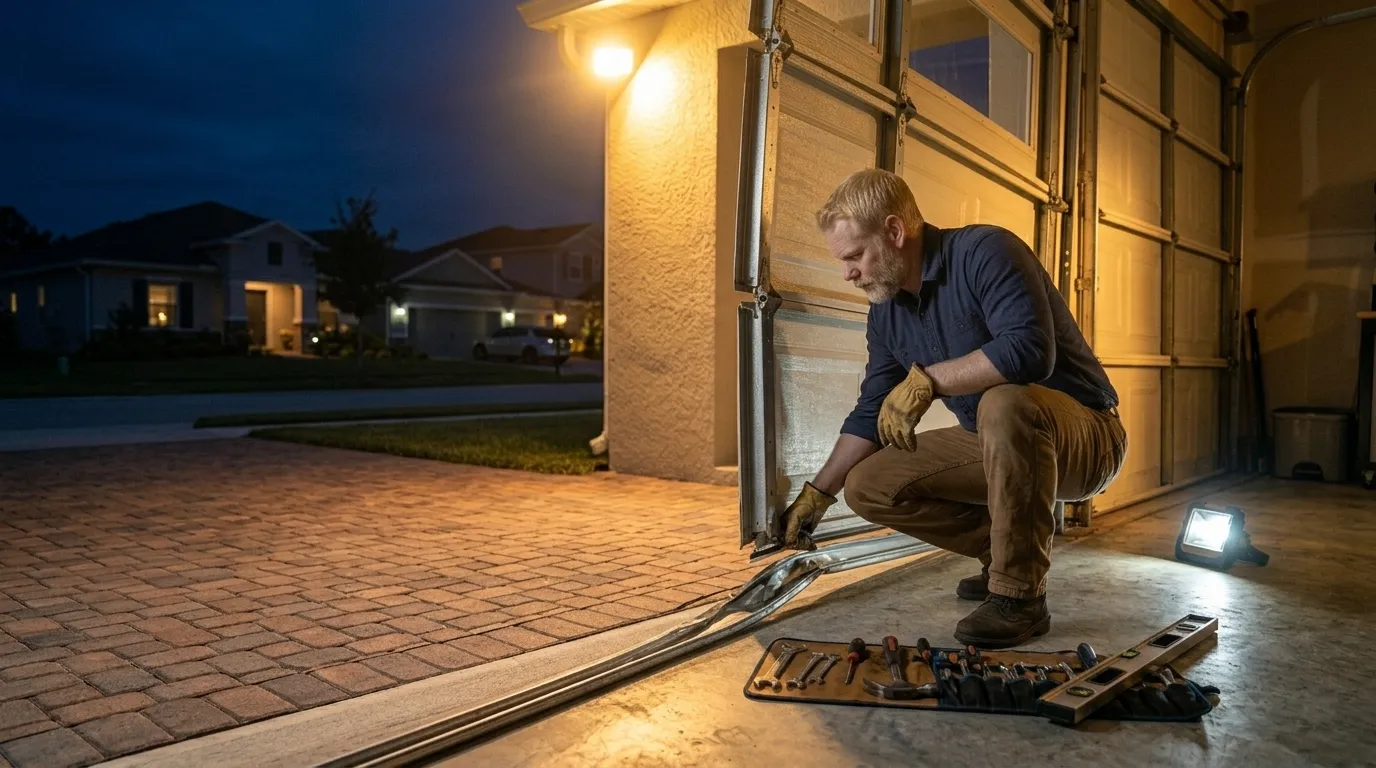
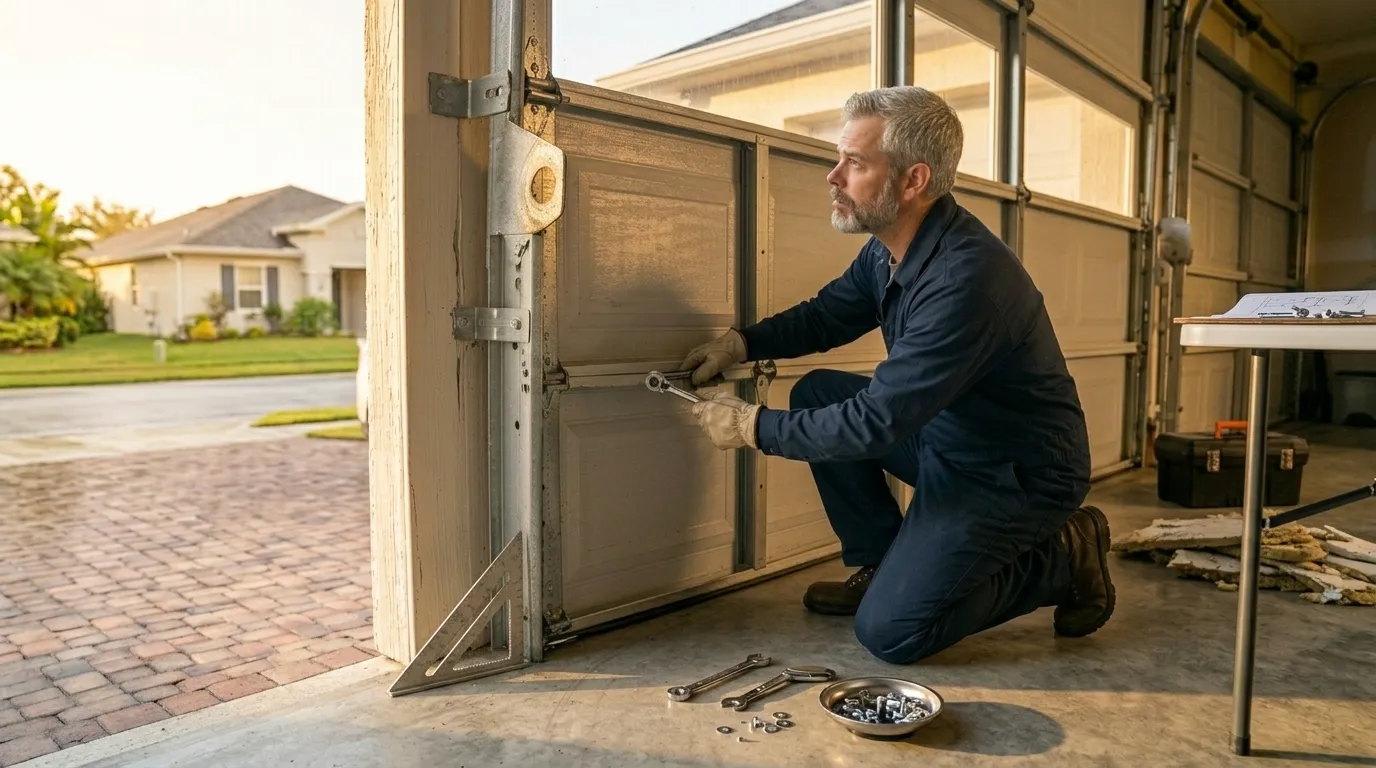
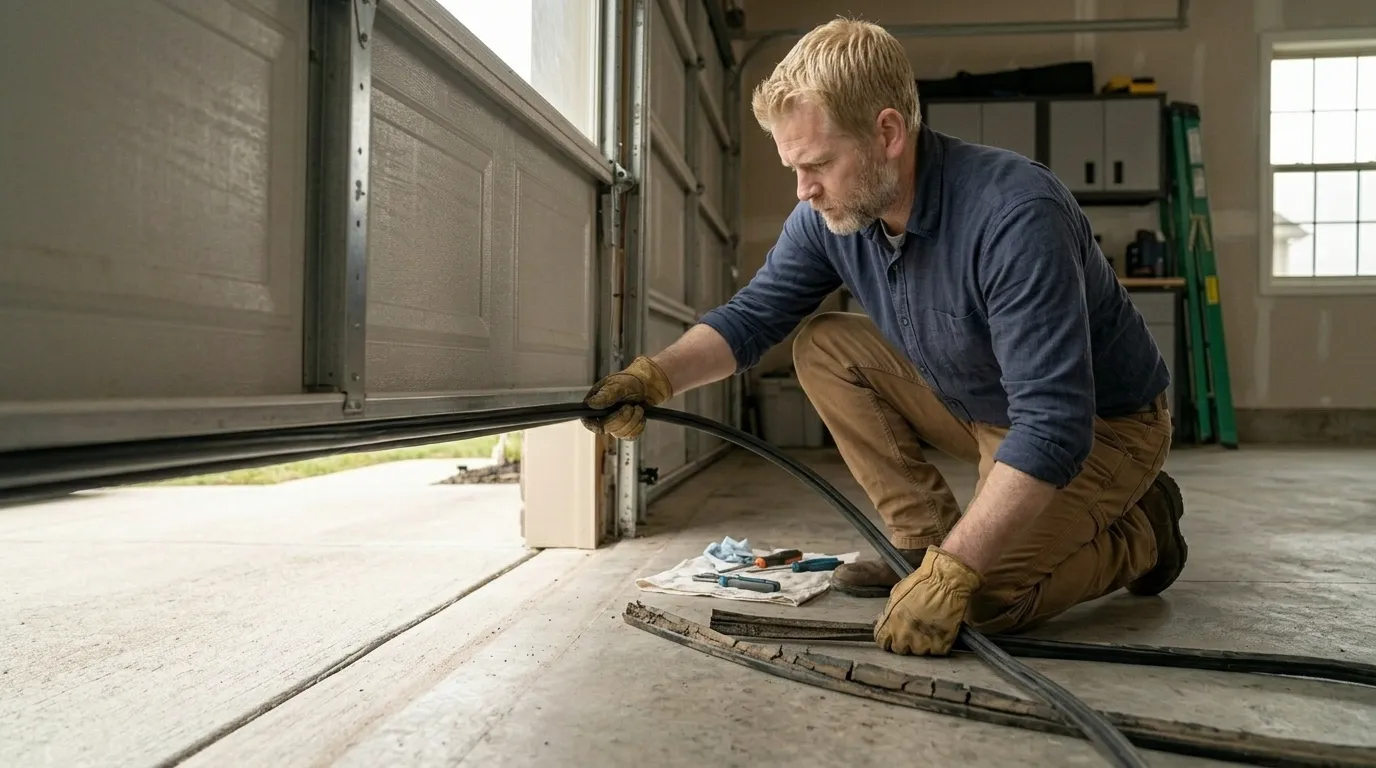
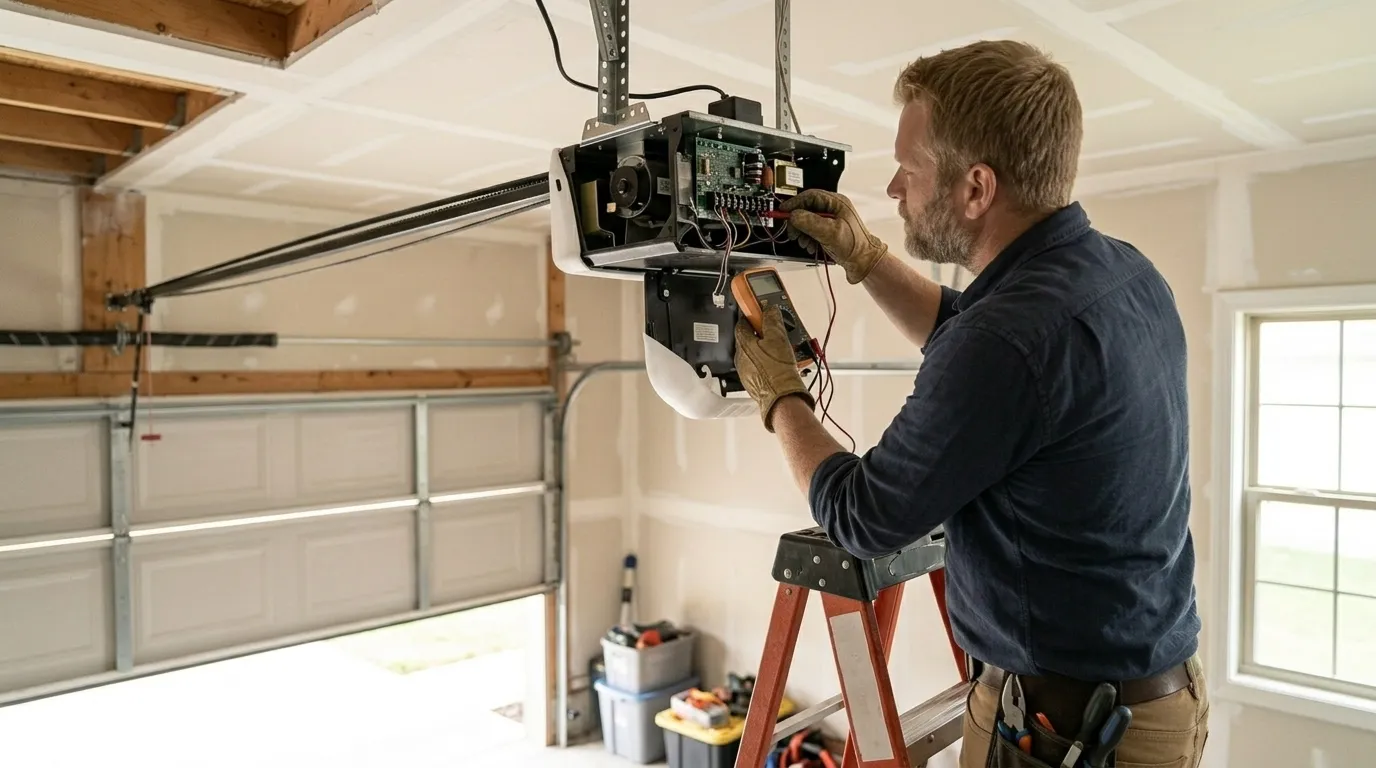
Why Carrollton Calls Us
Frequently Asked Questions
Why did my garage door spring break with no warning?
Torsion springs fail from metal fatigue after a set number of open-close cycles, not from a single event. On a house from the 1980s or 90s with the original spring, decades of cold-season temperature cycling have usually already used up most of that lifespan, so the break can look sudden even though it's been building for years.
Is it normal for older openers in this area to need sensor adjustments?
Yes. Original openers from homes built in this area's main construction wave are old enough that sensor brackets have often loosened or shifted slightly as the house settled. A quick realignment usually fixes a door that reverses on its own or won't close.
Should I replace the opener or just the spring?
If the door won't lift by hand with the opener disconnected, the spring is the problem, not the opener. Replacing the opener alone in that case just puts a new motor under the same excess load, and it will strain and fail again.
Need Garage Door Repair in Carrollton, GA?
Call now for straight answers on cost and timing.